Why hygiene visits really matter
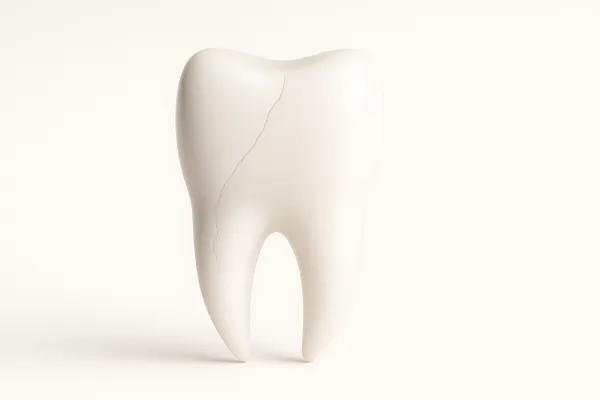
Professional hygiene appointments remove plaque and tartar that brushing alone cannot reach, particularly below the gumline and between teeth. They also give our therapists a chance to spot early signs of gum disease before it progresses into something more serious. Gum disease is the leading cause of tooth loss in adults, and it develops slowly enough that most people do not notice until significant damage has already occurred.
Think of hygiene visits as maintenance, not repair. They keep the foundation healthy so that everything built on top of it, whether that is your natural teeth or cosmetic and restorative work, lasts longer and functions better.
What happens during a hygiene appointment
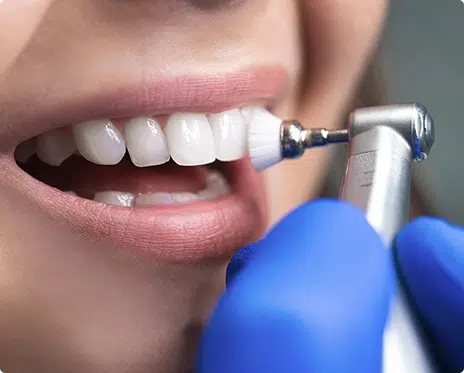
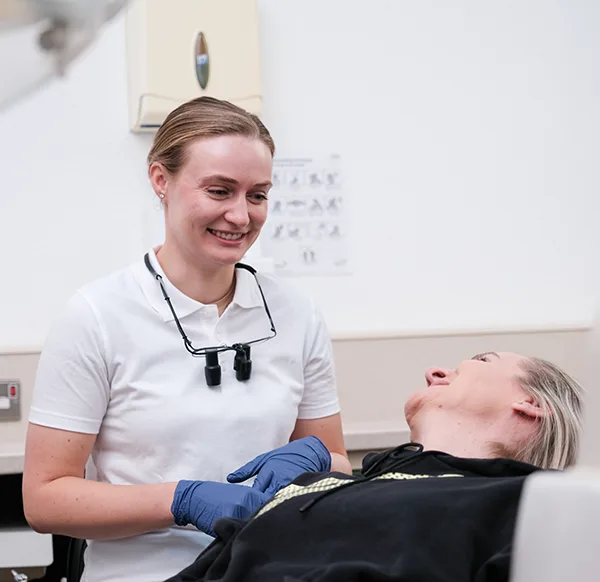
The appointment typically lasts 30 to 45 minutes. Our therapist will remove any plaque and tartar buildup using a combination of ultrasonic instruments and hand tools. They will assess your gum health by measuring pocket depths around each tooth, which tells us whether inflammation is under control or progressing.
You will also get practical advice tailored to your mouth. That might mean a different brushing technique, a recommendation for interdental brushes of a specific size, or guidance on areas you are consistently missing. The goal is not to lecture. It is to give you tools that actually make a difference between visits.

How often should you come in
There is no single answer. We recommend a schedule based on your gum health after your first assessment. Some patients benefit from quarterly visits, particularly if they have a history of gum disease or are undergoing treatment. Others maintain well with appointments every six months. We adjust the frequency over time as your gum health changes.
Hygiene before other treatment
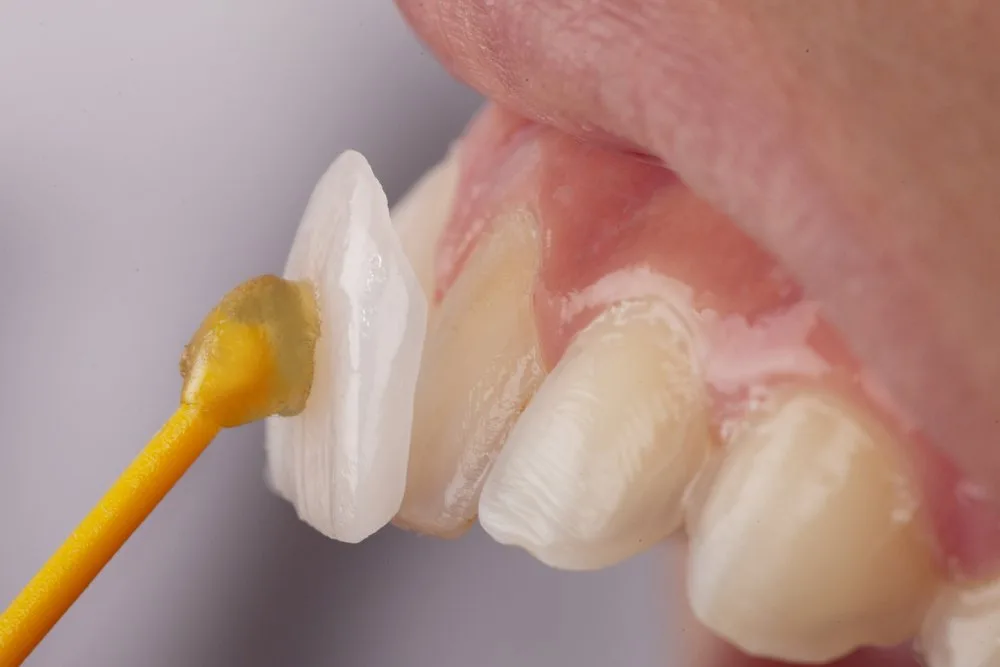
Healthier gums lead to better outcomes from almost every other dental treatment. Whitening works more predictably on clean teeth. Bonding and veneers bond better to surfaces free of plaque. Implants integrate more reliably when the surrounding gum tissue is healthy. If you are considering any cosmetic or restorative work, getting your hygiene in order first is not just a nice-to-have. It is clinically important.