What dental implants actually involve
A dental implant is a small titanium post placed into the jawbone. Once it integrates with the bone over several months, it supports a crown, bridge, or denture that looks and functions like a natural tooth. The result is fixed, stable, and designed to last. Unlike dentures, implants do not move or need adhesive. Unlike bridges, they do not rely on neighbouring teeth for support.
The process is not quick. From initial assessment to final restoration, most cases take between three and six months. More complex situations involving bone grafting or multiple implants can take longer. We stage each step clearly so you always know what comes next and why.

Are you suitable for implants?
Not everyone is a candidate immediately. We assess bone density, gum health, and your overall medical history before recommending implants. Conditions like uncontrolled diabetes or certain medications can affect healing. Heavy smoking is a risk factor. None of these are automatic disqualifiers, but they change how we plan.
If your jawbone has thinned since losing a tooth, bone grafting can rebuild the site before placement. This adds time to the overall process but makes implants possible for people who would otherwise not be suitable. We explain all of this at your consultation so there are no surprises later.
The planning and placement process
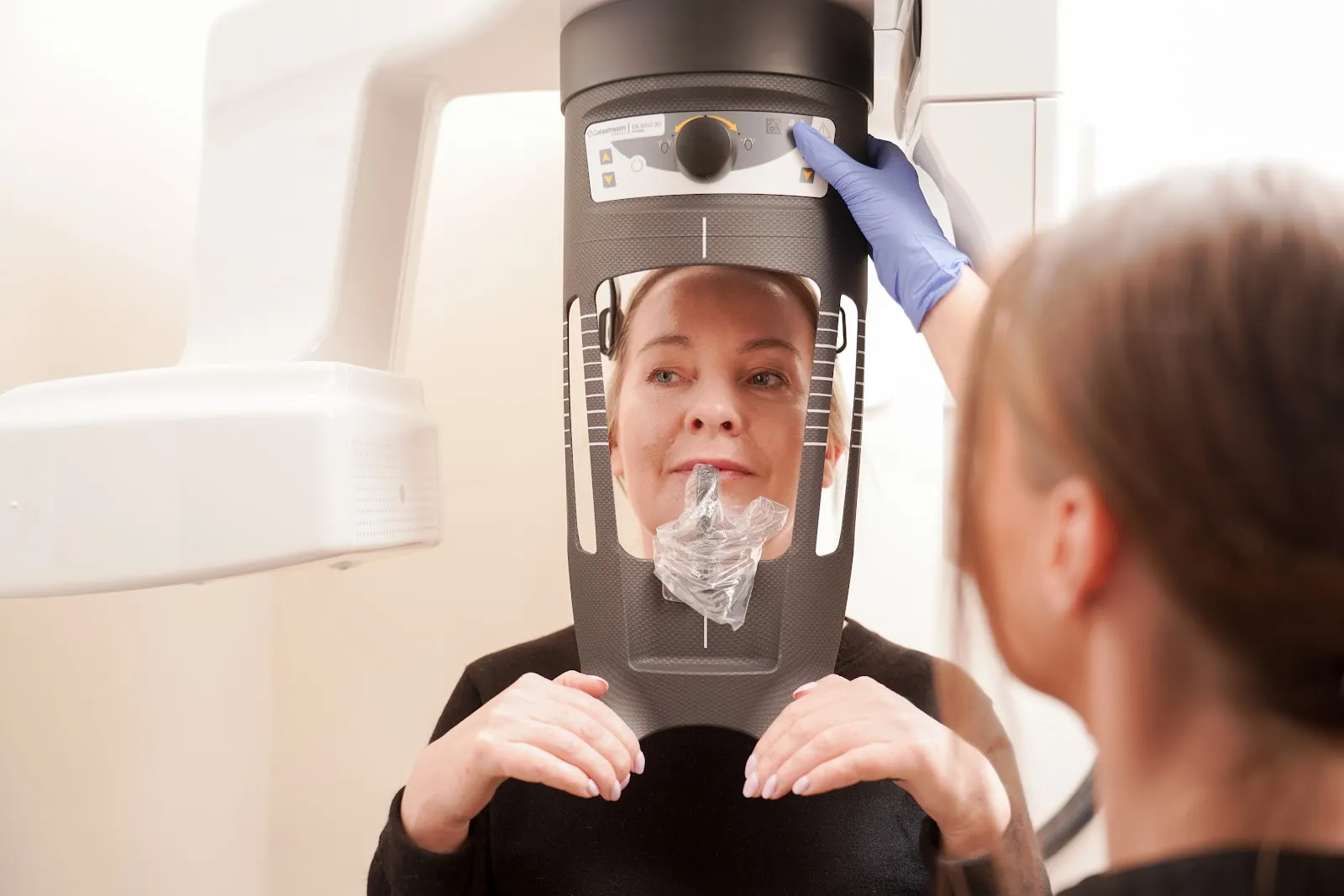
Everything starts with a consultation where we take scans, assess your bone, and discuss your goals. If implants are the right route, we create a detailed plan covering the number of implants, the type of restoration, the timeline, and the cost. You take that plan away and decide at your own pace.
Placement itself is done under local anaesthetic. Most patients report less discomfort than they expected, with manageable soreness for a few days after. There is then a healing period, typically two to four months, before the final crown or bridge is fitted. During this time you are not left without teeth. We arrange interim solutions so you are never walking around with a gap.
Long-term care
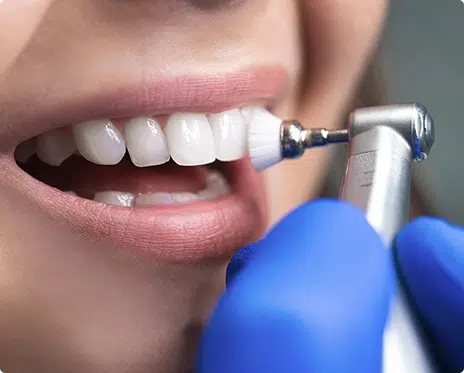
Implants need the same daily care as natural teeth: brushing, interdental cleaning, and regular hygiene appointments. The implant itself can last decades, though the crown on top may need replacing sooner depending on wear. We schedule follow-up reviews to monitor how everything is settling and to catch any issues early.