How Invisalign works
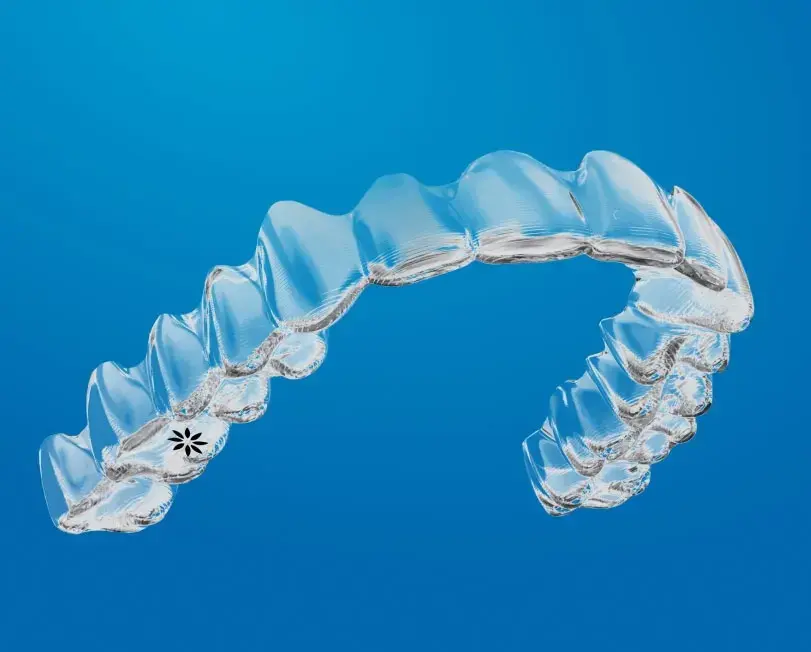
Invisalign uses a series of custom-made clear plastic trays to gradually move teeth into alignment. Each set of trays applies gentle pressure to specific teeth, shifting them a small amount before you switch to the next pair in the sequence. You wear them for 20 to 22 hours a day, removing them only for eating, drinking anything other than water, and brushing.
The trays are virtually invisible when worn, which is the main appeal for adults who want straighter teeth without the look of traditional metal braces. They are also removable, which means no dietary restrictions and easier oral hygiene during treatment.

Who is suitable
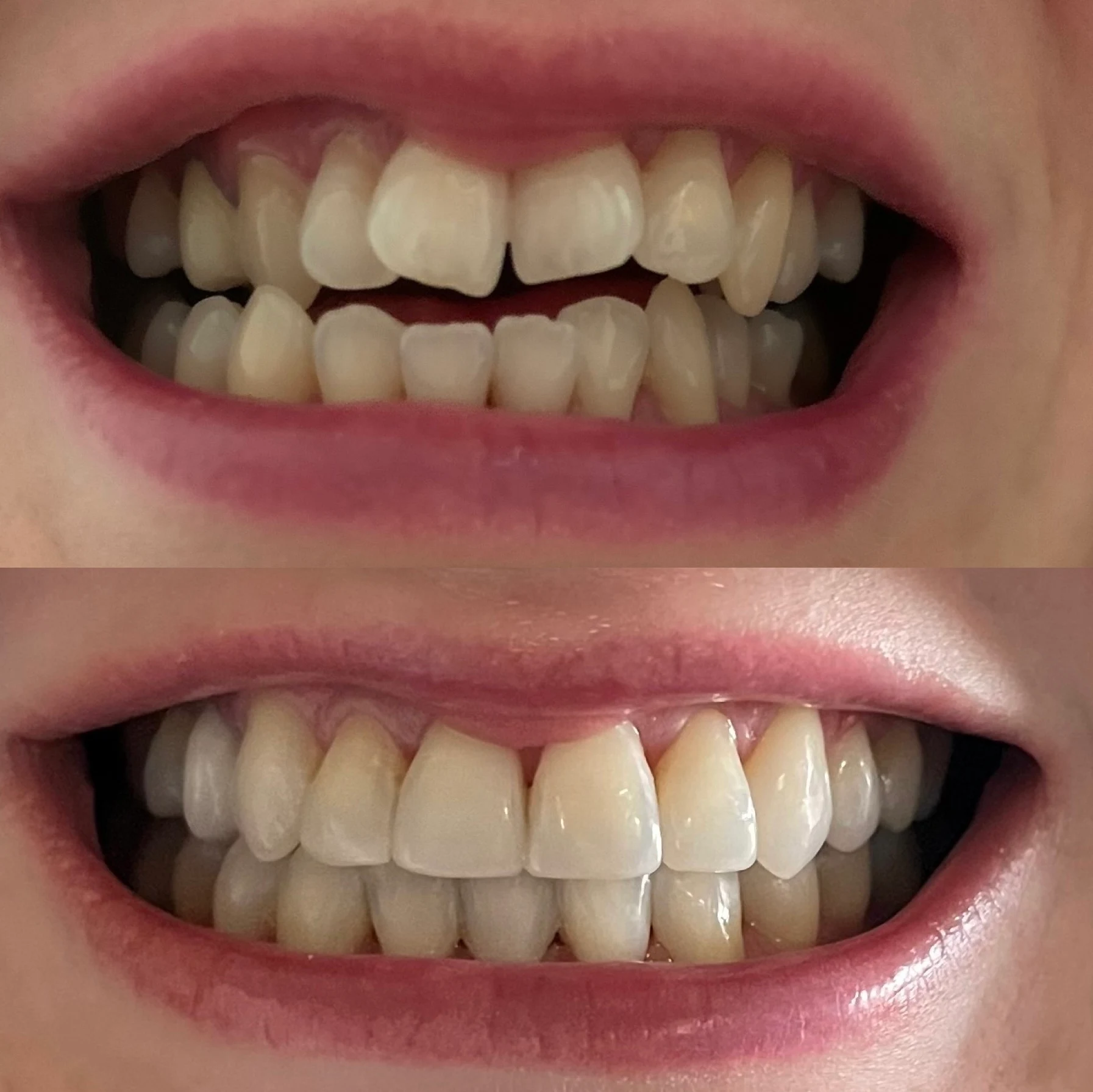
Many adults with crowding, spacing, or mild to moderate bite issues are good candidates. Invisalign works well for cases where the teeth need repositioning rather than major jaw correction. We assess your case at consultation and will be upfront if aligners are not the best fit. In those situations, we explain what alternative would work better and why.
Invisalign is less effective for severe crowding, significant bite discrepancies, or cases requiring vertical tooth movement. If you fall into a grey area, we can discuss the limitations honestly rather than pushing you toward a treatment that might not deliver the result you want.

What the treatment timeline looks like
Treatment length depends on how much movement is needed. Mild crowding might take three to six months. More involved cases can run 12 to 18 months. We give you a realistic estimate at your planning appointment based on digital scans of your teeth. Those scans also let us show you a projected outcome before you commit.
You will visit us roughly every six to eight weeks during treatment for progress checks and to collect your next sets of trays. These appointments are short. Most of the work happens at home, which is why consistent wear is so important.
After treatment finishes
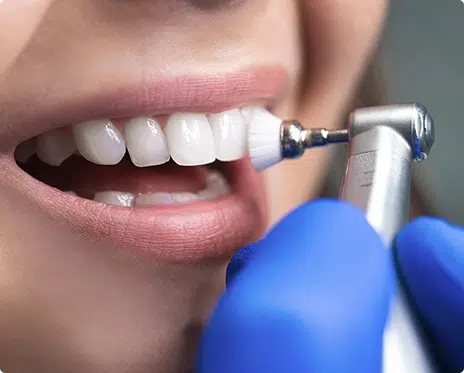
Once your teeth are in their new positions, you will need a retainer to keep them there. Teeth naturally want to drift back toward their original positions, especially in the first year after treatment. We discuss retention options before treatment starts so you know what to expect. Most patients wear a removable retainer at night long-term, and some opt for a bonded wire behind the front teeth for added security. Some patients then choose teeth whitening or composite bonding to refine shade or small edges after alignment and retention are stable.