What hygiene appointments do
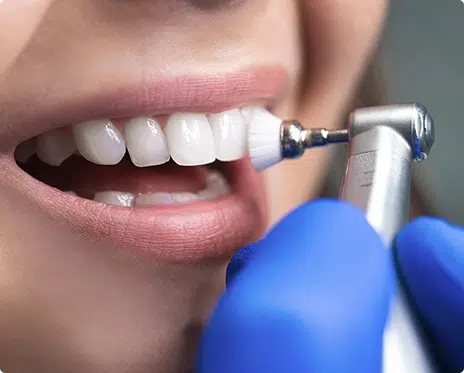
Dental hygiene appointments remove plaque and tartar buildup that daily brushing cannot fully address, particularly below the gumline and in hard-to-reach areas between teeth. They also let our therapists assess gum health and catch early signs of periodontal disease before it progresses.
Gum disease develops slowly and often without obvious symptoms until it is advanced. Regular hygiene visits are the most reliable way to detect it early and keep it under control. Prevention is always simpler and less costly than treatment.
What to expect during your appointment
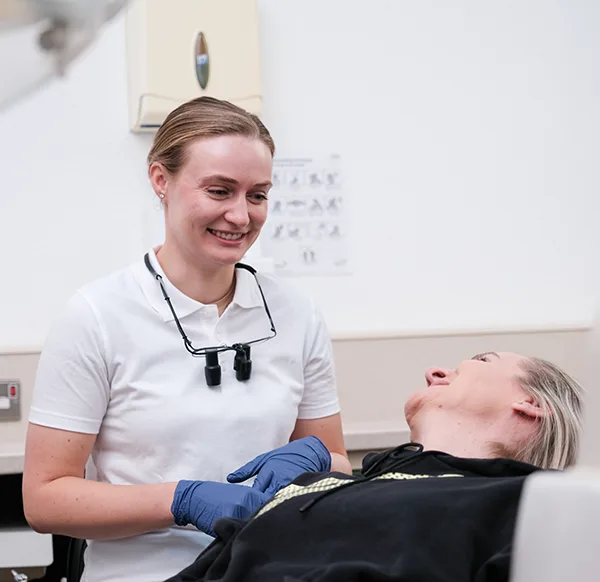
A typical session lasts 30 to 45 minutes. The therapist removes buildup using ultrasonic and hand instruments, checks gum pocket depths, and identifies areas that need attention. You will also receive tailored advice on your home routine, including brushing technique, interdental cleaning, and any products that might help.
If you have sensitive teeth or gums, let us know. We can adjust our technique and use topical numbing if needed. The appointment should be thorough but comfortable.

How often you should visit
We base the frequency on your gum health. Patients with active or past gum disease often benefit from visits every three months. Those with healthy gums and good home care might only need to come in every six months. We reassess at each appointment and adjust the schedule as your health changes.
Hygiene and other treatments
Good gum health is the foundation for successful cosmetic and restorative work. Whitening produces better results on clean teeth. Bonding and veneers adhere more reliably when surfaces are plaque-free. Implants heal more predictably when surrounding tissue is healthy. If you are considering any of these treatments, getting your hygiene right first is not optional. It is clinically important.
NHS hygiene at Lochside
NHS hygiene appointments are available at Lochside. If you are registered as an NHS patient, hygiene care is included within the banding system. We can explain how this works when you book and help you understand what is covered.