Recognising a dental emergency
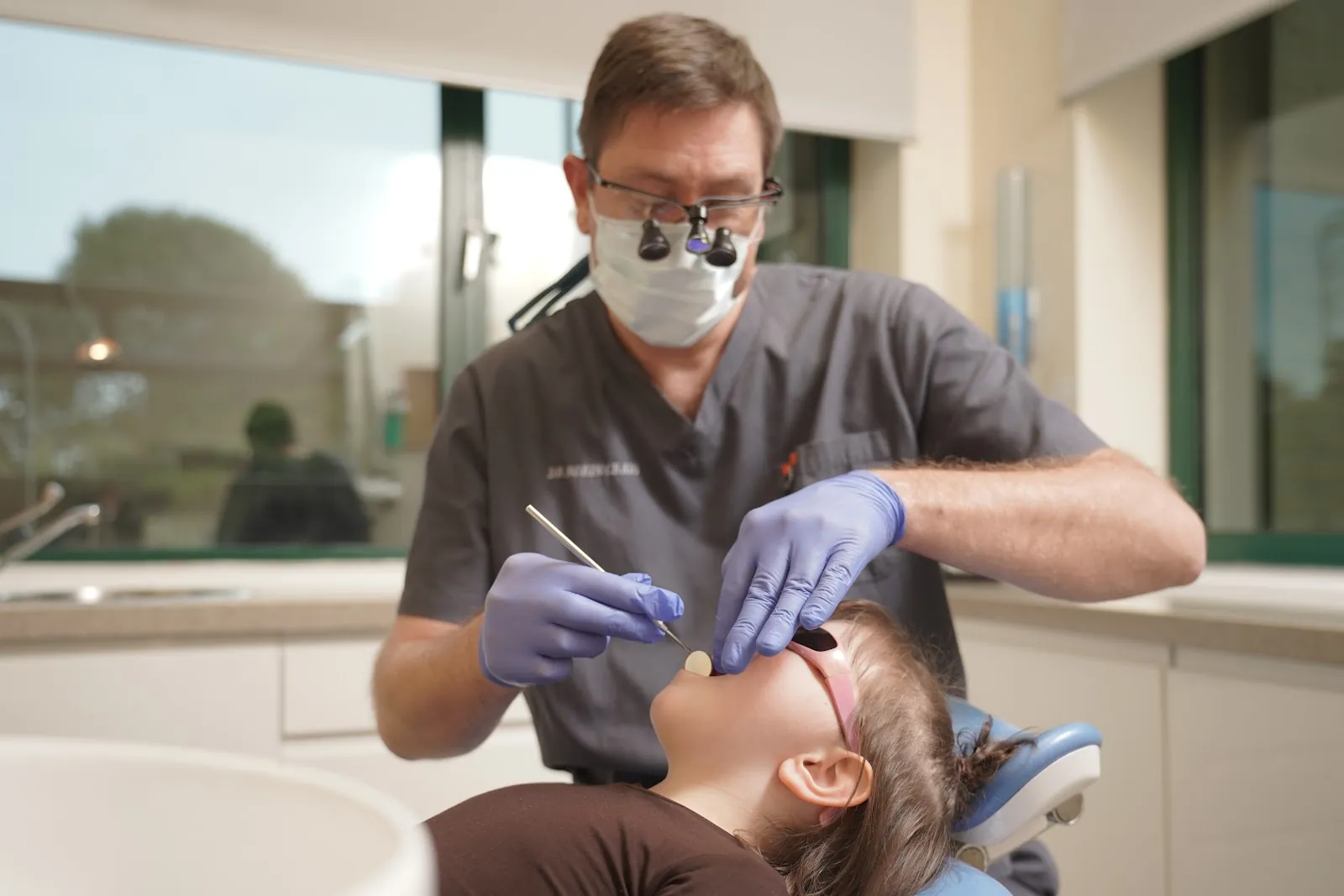
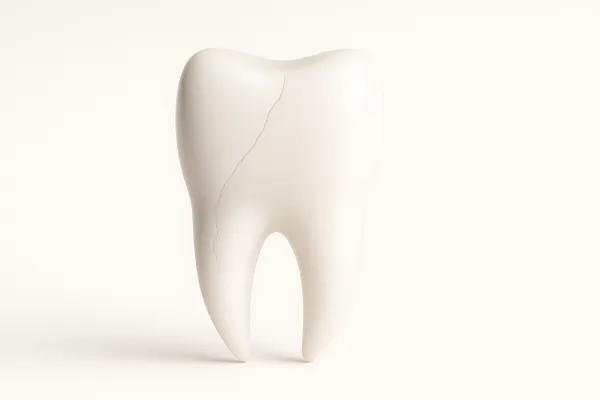
Dental emergencies include severe toothache that painkillers are not controlling, knocked-out or broken teeth, uncontrolled bleeding from the mouth, and facial swelling that is spreading or making it difficult to swallow. These situations need prompt attention because delay can make treatment more complicated and outcomes less predictable.
If you are not sure whether your problem counts as urgent, call us. We can usually tell over the phone whether you need to come in right away or whether a planned appointment in the next day or two is more appropriate. You do not need to make that judgement alone.
What to do while you wait
For a knocked-out tooth, keep it moist. Place it back in the socket if you can, or store it in milk. Avoid touching the root. For pain, take your usual over-the-counter painkiller at the recommended dose. For swelling, hold a cold compress against the outside of your cheek. If bleeding will not stop with firm, gentle pressure after 15 minutes, seek immediate medical attention.

How we handle urgent cases
Call as early in the day as possible. We keep capacity for same-day emergency appointments when we can, but earlier calls give us more flexibility to fit you in. When you arrive, we assess the situation, manage your pain, and explain what treatment is needed before we proceed. That might include a repair, root canal work, or a plan spread over more than one visit. Emergency consultations are priced at standard rates with no hidden extras.
Our clinic is open Monday to Friday, 9am to 5pm. For emergencies outside these hours, NHS 24 provides guidance and can direct you to the nearest out-of-hours dental service.
Reducing your risk
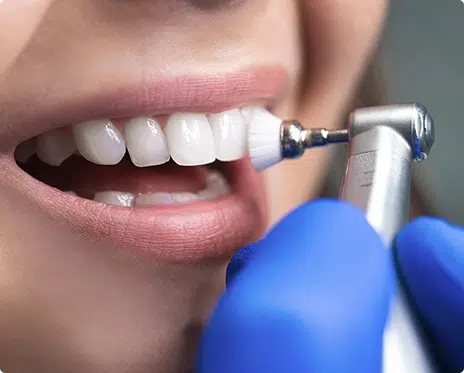
Regular check-ups and hygiene are the best way to catch problems before they become emergencies. Teeth with old, large fillings, untreated cracks, or advanced decay are far more likely to fail suddenly. If you play sport, a custom mouthguard dramatically reduces the chance of dental trauma. And if you know you clench or grind, a night guard protects against fractures that can turn into emergencies without warning.