What composite bonding can fix
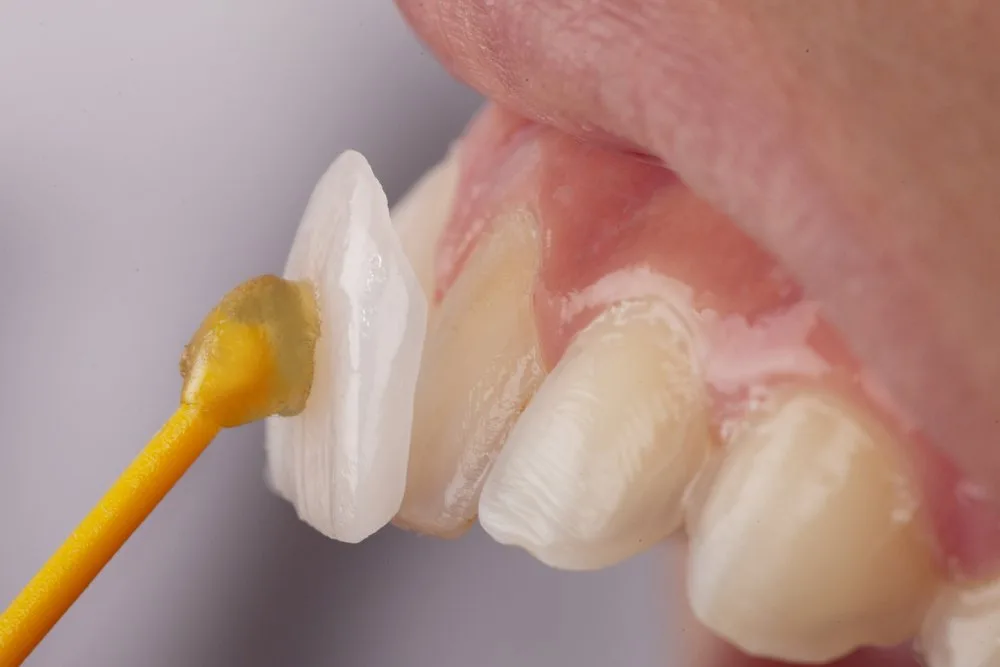
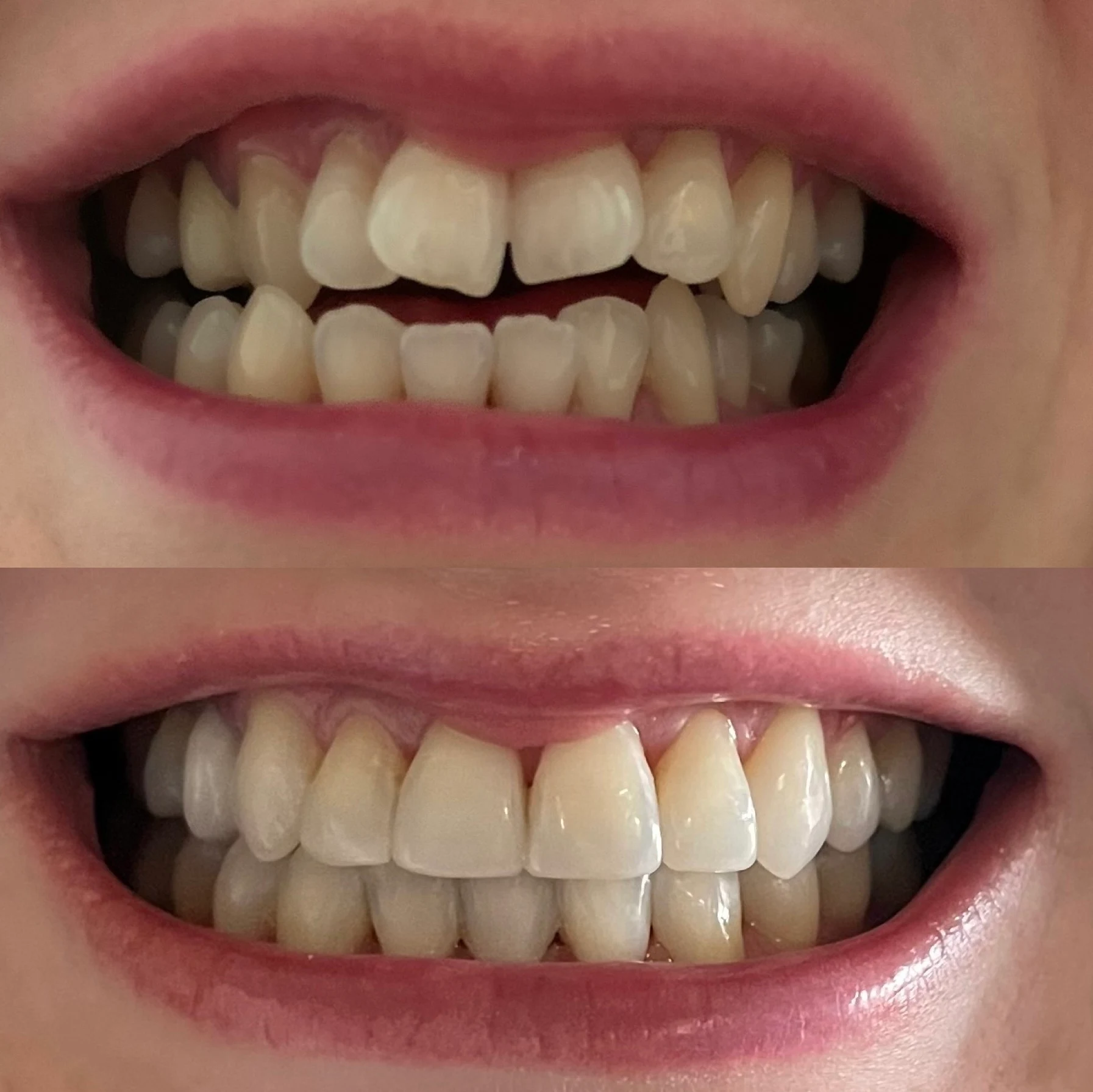
Composite bonding uses tooth-coloured resin applied and sculpted directly onto the tooth surface. It is one of the most versatile cosmetic treatments available because it handles a wide range of concerns without removing tooth structure.
Common uses include repairing chipped or cracked front teeth, closing small gaps between teeth, lengthening worn or short edges, and smoothing irregular shapes. It can also build up a single tooth that looks out of proportion with its neighbours. If you have one specific thing that bothers you, bonding is often the most efficient route to fixing it.
- Chipped or broken front teeth
- Small gaps and spaces
- Uneven tooth length or edge wear
- Minor shape irregularities
- Exposed root surfaces causing sensitivity
How the process works at Kelvinbridge
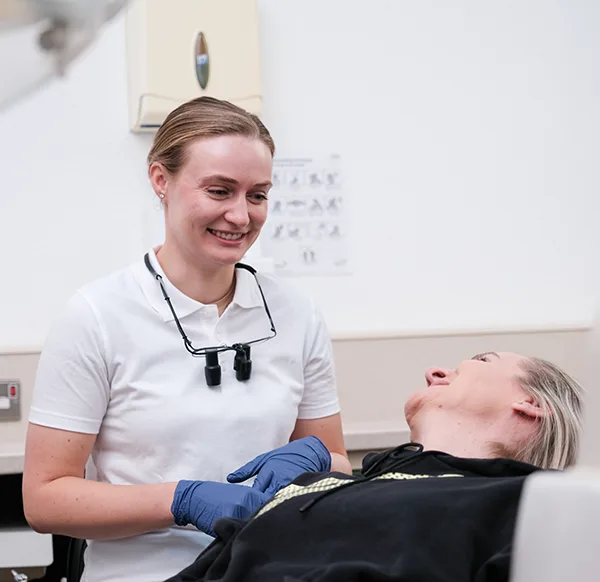
Most composite bonding at our West End clinic is completed in a single appointment. We start by matching the resin shade to your surrounding teeth. No injections are typically needed because bonding adds to the tooth rather than drilling into it, though we use anaesthetic if needed for your comfort.
The tooth surface is lightly conditioned to help the resin adhere. The composite is then applied in thin layers, shaped while soft, and hardened with a curing light. Once all layers are in place, we refine the shape and polish the surface. You leave with the result immediately visible.
We take scans and photographs beforehand so we have a clear record of where you started. If you have any strong preferences about length or shape, it helps to bring photos of smiles you like. We can discuss what is achievable with your specific tooth structure.
How long bonding results last
Composite resin is durable but not indestructible. With good care, bonding on front teeth typically lasts five to eight years before needing a refresh or replacement. The edges that take the most force - biting hard food, using teeth to open packaging - are the first to show wear.
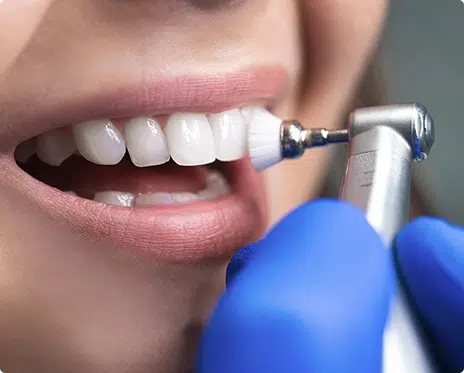
Surface staining can develop over time, especially with tea, coffee, and red wine. This does not mean the bond has failed; the surface simply picks up pigment like natural enamel does, only slightly faster. Regular hygiene visits help manage this. Some patients choose to have bonded teeth polished at their hygiene appointment to keep them looking fresh.
Avoid biting directly into very hard foods like whole apples or crusty bread with bonded front teeth. It is not that bonding is fragile - natural teeth chip on those things too - but habits that protect your own enamel protect the resin as well.
Bonding or veneers: what fits you?
The decision between bonding and porcelain veneers depends on how much you want to change, your budget, and how long you want the result to last. Bonding is faster, less expensive, and reversible. Veneers offer finer control over colour and shape, are more resistant to staining, and typically last twice as long - but the process involves some preparation of the tooth surface.
If your concern is isolated to one or two teeth with minor damage, bonding is usually the better starting point. If you want a consistent result across six or more front teeth and lasting shade improvement, veneers may serve you better over time. We lay out both options at your consultation so you can choose with full information rather than guessing.