What porcelain veneers do
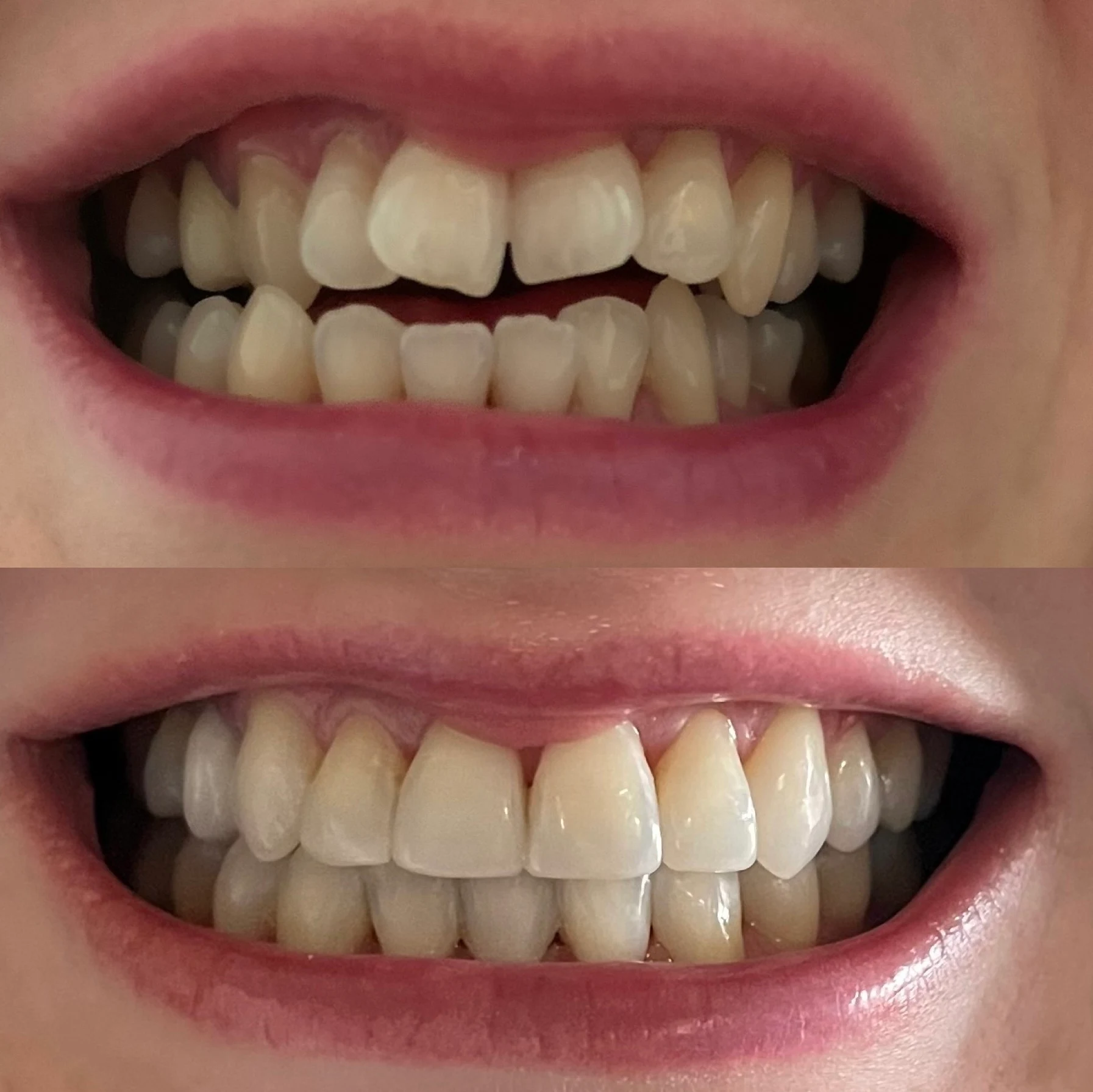
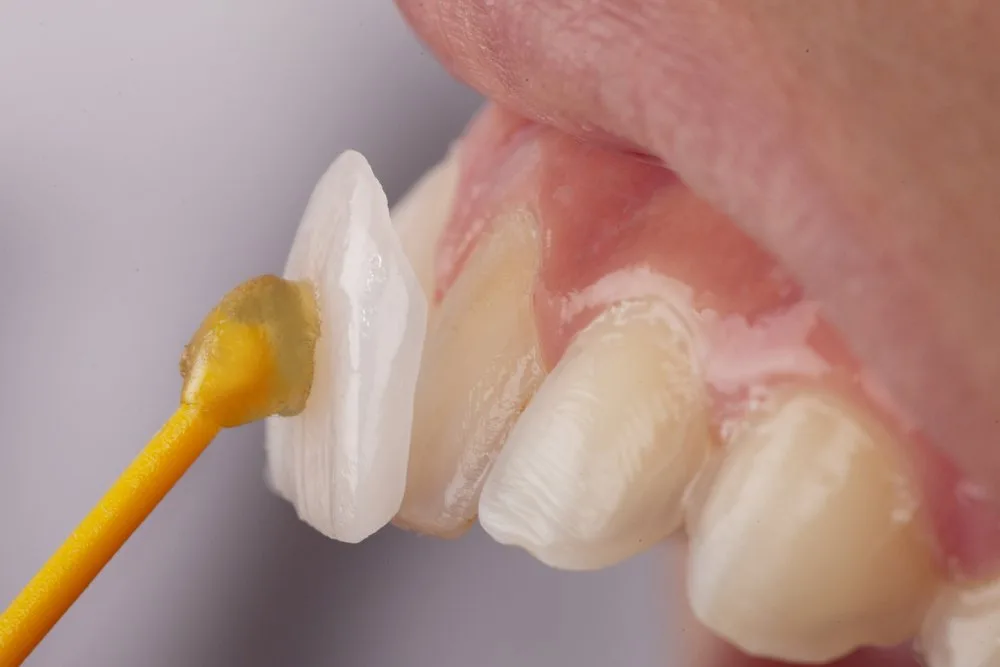
Porcelain veneers are thin ceramic shells bonded to the front surfaces of the teeth. They change colour, shape, proportion, and surface texture in one treatment, and the result is highly consistent across multiple teeth. The ceramic is custom-made in a dental laboratory to precise specifications, so there is a level of control over the final appearance that direct chairside treatments cannot match.
Veneers are particularly well suited to situations where several front teeth need improvement at once. If you have a combination of discolouration, old dental work that no longer matches, worn edges, and minor crowding or spacing, a set of veneers can address all of those things in a coordinated way.
Who is a good candidate for veneers?
Veneers work best on teeth that are healthy, reasonably well aligned, and have sufficient enamel on the front surface. The veneer bonds to enamel, so if enamel has been significantly lost through erosion or previous preparation, the bond may not be as strong. We assess this at your consultation before recommending the treatment.
Significant misalignment is usually better addressed with clear aligners first. If teeth are rotated or heavily crowded, a veneer cannot disguise that fully and may look unnatural. In those cases we often suggest straightening before veneers, or reconsidering whether veneers are the right route at all.
Patients who grind their teeth heavily at night need a plan for managing that before veneer placement. Grinding can fracture porcelain. A protective night guard worn after treatment makes veneers a realistic option for grinders, but we need to discuss this properly upfront.
Planning and fitting at Kelvinbridge
Everything begins with a planning consultation. We take photographs, scans, and impressions to understand your existing tooth shape and what needs to change. We discuss the number of veneers, the shade, and the shape in detail. You are involved in these decisions at every stage - this is not a treatment where we make all the choices and you see the result at the end.
A small amount of enamel is removed from the front surface of each tooth to create space for the veneer. This is usually less than half a millimetre. The preparation is permanent - once done, those teeth will always need to be covered. Temporary veneers are placed while the laboratory makes the final ones, so you are not walking around with unprepared teeth.
The final veneers are fitted and bonded at a second appointment. We check the shade, shape, and bite before permanently cementing them. Minor adjustments can be made at this stage. Once bonded, porcelain veneers are very stable.
Veneers versus composite bonding
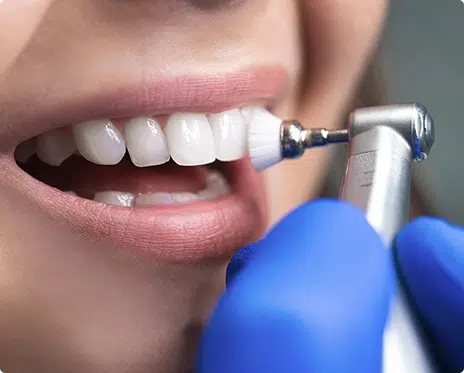
If you are uncertain whether veneers or composite bonding is the right route, the honest answer is that it depends on your goals and your teeth. Bonding is done in a single visit, is less expensive, and does not require any tooth preparation - making it fully reversible. Veneers take longer and cost more, but they last significantly longer, resist staining better, and offer more consistent results across multiple teeth.
For a single chipped tooth, bonding is almost always the right starting point. For someone who wants to improve the colour, shape, and consistency of their whole smile, veneers are usually the better long-term investment. We will tell you honestly which route suits your situation rather than steering you towards the more expensive option by default.
Veneer lifespan and daily care
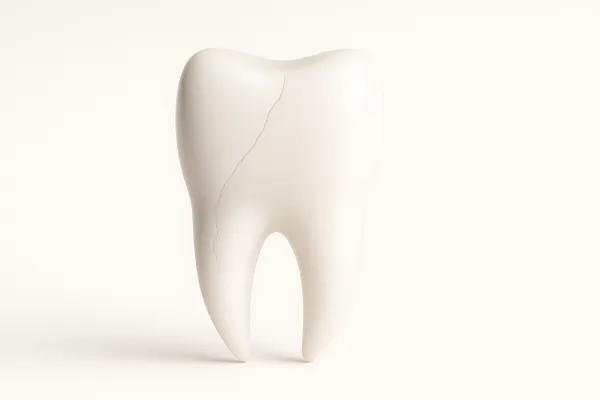
Well-made and well-maintained porcelain veneers typically last ten to fifteen years, sometimes longer. Unlike composite, porcelain is highly resistant to staining - whitening is not needed to keep them bright. The main risks are fracture from heavy biting forces and failure of the bond if the tooth underneath develops decay.
Daily brushing and flossing, regular hygiene appointments, and wearing a night guard if you grind your teeth are the main maintenance requirements. Veneers do not need special products - the same routine that keeps natural teeth healthy keeps veneers in good condition.